Buy therapiepraxis.eu ?
We are moving the project
therapiepraxis.eu .
Are you interested in purchasing the domain
therapiepraxis.eu ?
domain@kv-gmbh.de · 0541-91531010
Buy therapiepraxis.eu ?
What is agnosticism?
Agnosticism is the belief that the existence of God or a higher power is unknown or unknowable. Agnostics do not claim to have definitive knowledge about the existence or non-existence of a deity, and they often take a skeptical or neutral stance on the topic of religion. Agnosticism is different from atheism, which asserts that there is no God, and from theism, which asserts that there is a God. **
Is agnosticism neutral or not?
Agnosticism is often considered neutral because it is the belief that the existence of a higher power or ultimate truth is unknown or unknowable. Agnostics do not claim to have knowledge or certainty about the existence of a deity or spiritual realm, which can be seen as a neutral stance. However, some argue that agnosticism is not entirely neutral as it implies a skepticism or doubt towards religious claims and can be seen as a rejection of absolute certainty in favor of open-mindedness and critical thinking. Ultimately, whether agnosticism is considered neutral or not may depend on individual perspectives and interpretations. **
Similar search terms for Agnosticism
Top-Angebote
Products related to Agnosticism:
-
KitchenCuration Healing Quartz Crystal Water Bottle For Wellness & Energy Balance FluoriteRefresh your daily routine with a beautifully designed crystal water bottle that combines mindful living with elegant style. Crafted for wellness enthusiasts, yoga lovers, and anyone seeking a calming hydration experience, this bottle features a...49,97 $*Shipping: 0,00 $Secure redirect to the provider
-
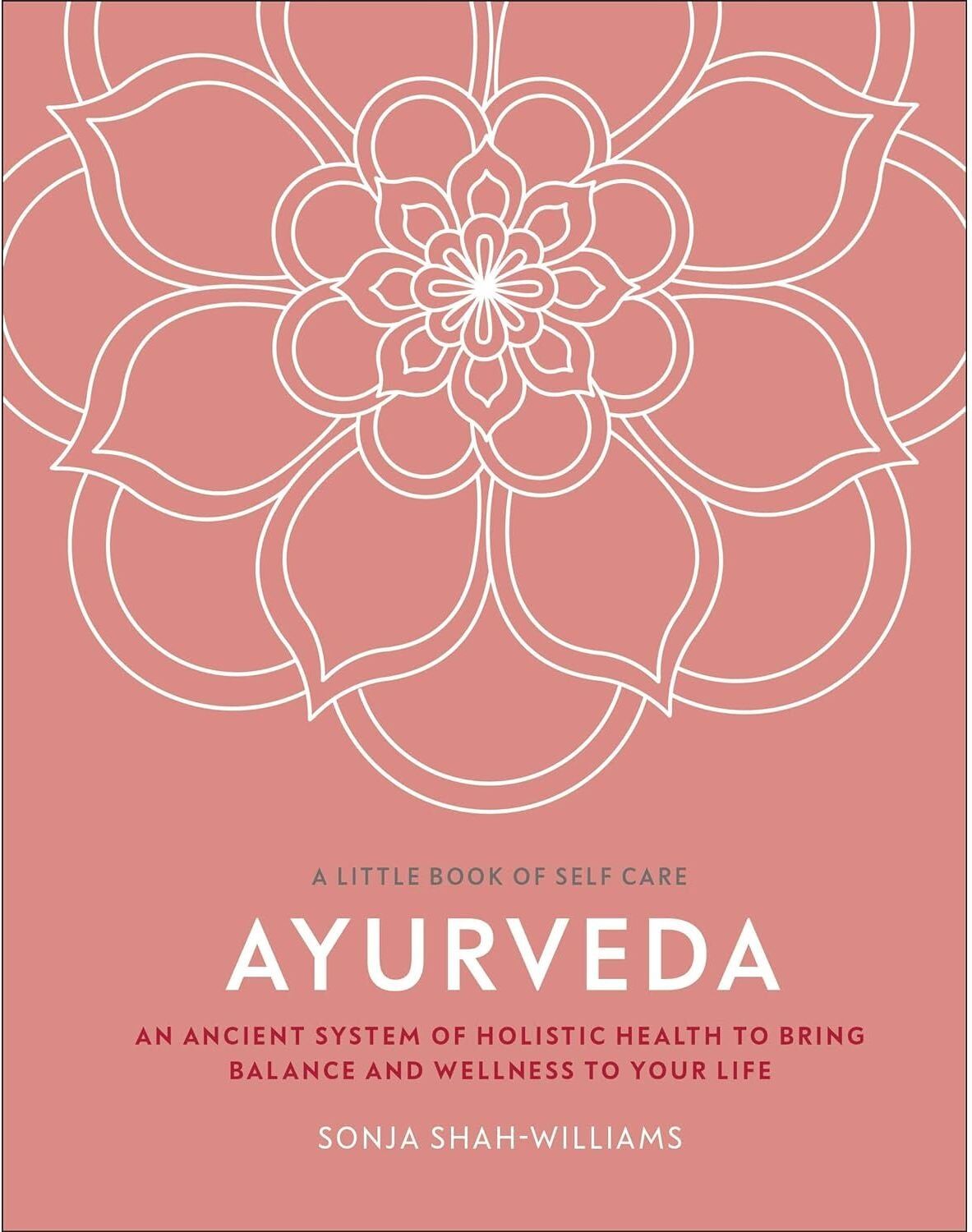
DK Ayurveda: An Ancient System of Holistic Health to Bring Balance and Wellness to Your Life (A Little Book of Self Care)Make Ayurveda an indispensable part of your daily routine with this step-by-step guide to holistic balance and wellness. For a natural approach to self-healing, alternative medicine, and wellness, expert Sonja Shah-Williams has tailored remedies including Ayurveda recipes, skincare, yoga, and mindful meditation techniques. Harness the power of alternative therapies and discover: - What Ayurveda is and the benefits of the practice - Easy to follow, step by step illustrated guide to Ayurvedic practices - Ayurvedic super-foods and recipes - How to easily incorporate holistic practices into daily life - Positive affirmations, mindfulness techniques and exercises Modern science has proved the effectiveness of Ayurveda as a view of the world based on ancient beliefs that everything is connected and that balance is the key to wellbeing. Ayurveda focuses on the prevention of disease by focusing on anti-inflammatory diets, mindful meditation, and massages. This practical guide is an Ayurvedic consultation at your disposal. This little self-care book will take you on a breathtaking journey of holistic healing. It begins by unpacking what Ayurveda is and the benefits of the practice. This reference book includes wellness practices designed to uplift the mind, body, and spirit and healing treatments designed to address, relieve, and help cure a range of common conditions.4,95 £*Shipping: 1,99 £Secure redirect to the provider
-
Uplifted Goods Laser Therapy Watch For Circulation And Vascular Wellness whiteEnhance your daily wellness routine with this laser therapy watch designed to support healthy blood circulation and overall vascular health. Using gentle low level laser light, it provides a non invasive way to promote better blood flow and oxygen...928,50 $*Shipping: 0,00 $Secure redirect to the provider
-
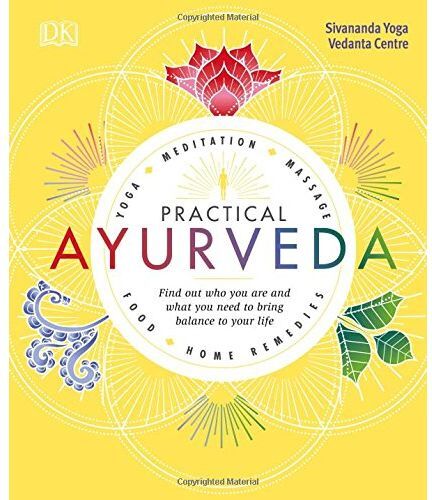
DK Practical Ayurveda – Find Out Who You Are and What You Need to Bring Balance to Your Life Holistic Health & Ayurvedic Wellness GuideDiscover the ancient wisdom of Ayurveda with Practical Ayurveda: Find Out Who You Are and What You Need to Bring Balance to Your Life, a clear and accessible guide to holistic wellbeing. Rooted in centuries of traditional Indian medicine, Ayurveda focuses on understanding your unique body type—or dosha—to achieve harmony between body, mind, and spirit. This practical guide helps readers identify their personal constitution and learn simple lifestyle, diet, and wellness practices to restore natural balance. Through easy explanations, self-assessment tools, and practical advice, this book introduces readers to Ayurvedic principles including nutrition, daily routines, herbal remedies, and mindful living. What You’ll Discover: How to identify your Ayurvedic dosha (Vata, Pitta, or Kapha) Practical tips for improving health, energy, and balance Guidance on Ayurvedic diet and lifestyle practices Natural approaches to managing stress and wellbeing Simple steps to integrate ancient wisdom into modern life Perfect for beginners and anyone interested in natural health, holistic living, and mind-body balance, Practical Ayurveda offers an inspiring introduction to one of the world’s oldest healing traditions.7,99 £*Shipping: 2,99 £Secure redirect to the provider


-
What is agnosticism in your own words?
Agnosticism is the belief that the existence of God or a higher power cannot be known or proven. Agnostics do not claim to have knowledge or certainty about the existence of a deity, and they may be open to the possibility of a higher power but do not adhere to any specific religious beliefs. Agnosticism is often characterized by a skepticism towards religious claims and a focus on the limitations of human understanding when it comes to matters of the divine. **
-
What is the difference between agnosticism and atheism?
Agnosticism is the belief that the existence of a higher power or deity is unknown or unknowable. Agnostics do not claim to know whether a god or gods exist or not. Atheism, on the other hand, is the lack of belief in the existence of any deities. Atheists do not believe in the existence of any gods or higher powers. While agnostics are unsure or skeptical about the existence of a higher power, atheists outright reject the belief in any deity. **
-
How can one transition from Islam to agnosticism?
Transitioning from Islam to agnosticism can be a deeply personal and complex journey. It may involve questioning and reevaluating one's beliefs, seeking out different perspectives and information, and engaging in introspection and self-reflection. It can also involve finding support from others who have gone through similar experiences and exploring different spiritual or philosophical paths. Ultimately, the transition to agnosticism may involve embracing uncertainty and being open to the idea that there may not be definitive answers to questions about the existence of a higher power or the nature of the universe. **
-
What is the difference between atheism and agnosticism?
Atheism is the belief that there is no god or gods, while agnosticism is the belief that the existence of god or gods is unknown or unknowable. Atheists actively deny the existence of a higher power, while agnostics simply claim that the existence of a higher power cannot be proven or disproven. In other words, atheism is a belief in the absence of a god, while agnosticism is a lack of belief in the presence or absence of a god. **


What religions are there, such as Christianity, Islam, Agnosticism, etc.?
There are many religions practiced around the world, including Christianity, Islam, Hinduism, Buddhism, Judaism, Sikhism, and many others. Additionally, there are belief systems such as agnosticism, atheism, and secular humanism that do not adhere to a specific religious tradition. Each of these religions and belief systems has its own unique set of beliefs, practices, and traditions. **
What are some problematic questions related to atheism and agnosticism?
Some problematic questions related to atheism and agnosticism include: 1. "How can you be moral without belief in a higher power?" This question assumes that morality is dependent on religious belief, which is not necessarily the case. 2. "Why don't you believe in God?" This question can be seen as confrontational and may put atheists and agnostics on the defensive. 3. "Are you just angry at God?" This question assumes that non-belief is rooted in emotion rather than rational thought. 4. "What if you're wrong?" This question can be seen as dismissive of an individual's beliefs and can be perceived as condescending. **
Top-Angebote
Products related to Agnosticism:
-
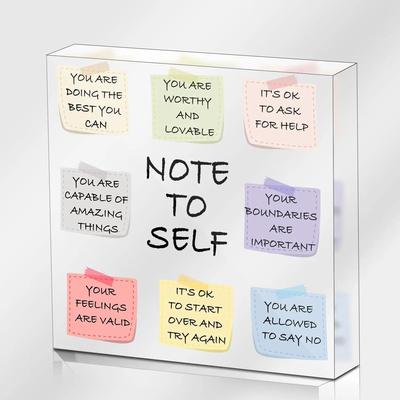
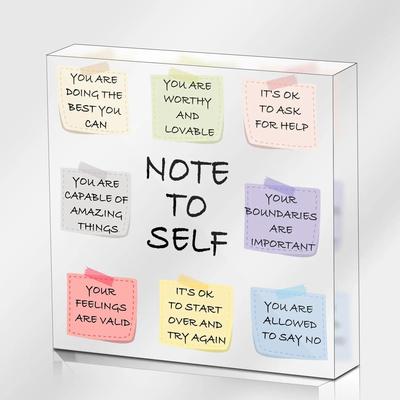
Uplifted Finds Mental Health Awareness Acrylic Sign Psychology Motivational Decor For Counseling, Classroom & Office Mental Health Awareness Acrylic Sign Psychology Motivational Decor For Counseling, Classroom & Office"Foster a culture of resilience and wellness with our Mental Health Gift. This premium psychology motivational decoration is the ultimate designer solution for creating a ""MindfulSanctuary"" or ""PositiveFocus"" atmosphere in any home. Featuring a..."71,97 $*Shipping: 0,00 $Secure redirect to the provider
-
Uplift Essentials Mental Health & Psychology Motivational Sign Inspirational Modern Decor For Counseling & Classroom Corners Mental Health & Psychology Motivational Sign Inspirational Modern Decor For Counseling & Classroom Corners"Synchronize your sanctuary with the highdefinition, highvibration energy of our Psychology Motivational Decoration. Featuring a sophisticated ""mindfulminimalist"" silhouette, this professional plaque is designed to bring a ""calmluxe"" energy to your..."59,97 $*Shipping: 0,00 $Secure redirect to the provider
-
KitchenCuration Healing Quartz Crystal Water Bottle For Wellness & Energy Balance FluoriteRefresh your daily routine with a beautifully designed crystal water bottle that combines mindful living with elegant style. Crafted for wellness enthusiasts, yoga lovers, and anyone seeking a calming hydration experience, this bottle features a...49,97 $*Shipping: 0,00 $Secure redirect to the provider
-
DK Ayurveda: An Ancient System of Holistic Health to Bring Balance and Wellness to Your Life (A Little Book of Self Care)Make Ayurveda an indispensable part of your daily routine with this step-by-step guide to holistic balance and wellness. For a natural approach to self-healing, alternative medicine, and wellness, expert Sonja Shah-Williams has tailored remedies including Ayurveda recipes, skincare, yoga, and mindful meditation techniques. Harness the power of alternative therapies and discover: - What Ayurveda is and the benefits of the practice - Easy to follow, step by step illustrated guide to Ayurvedic practices - Ayurvedic super-foods and recipes - How to easily incorporate holistic practices into daily life - Positive affirmations, mindfulness techniques and exercises Modern science has proved the effectiveness of Ayurveda as a view of the world based on ancient beliefs that everything is connected and that balance is the key to wellbeing. Ayurveda focuses on the prevention of disease by focusing on anti-inflammatory diets, mindful meditation, and massages. This practical guide is an Ayurvedic consultation at your disposal. This little self-care book will take you on a breathtaking journey of holistic healing. It begins by unpacking what Ayurveda is and the benefits of the practice. This reference book includes wellness practices designed to uplift the mind, body, and spirit and healing treatments designed to address, relieve, and help cure a range of common conditions.4,95 £*Shipping: 1,99 £Secure redirect to the provider
-
What is agnosticism?
Agnosticism is the belief that the existence of God or a higher power is unknown or unknowable. Agnostics do not claim to have definitive knowledge about the existence or non-existence of a deity, and they often take a skeptical or neutral stance on the topic of religion. Agnosticism is different from atheism, which asserts that there is no God, and from theism, which asserts that there is a God. **
-
Is agnosticism neutral or not?
Agnosticism is often considered neutral because it is the belief that the existence of a higher power or ultimate truth is unknown or unknowable. Agnostics do not claim to have knowledge or certainty about the existence of a deity or spiritual realm, which can be seen as a neutral stance. However, some argue that agnosticism is not entirely neutral as it implies a skepticism or doubt towards religious claims and can be seen as a rejection of absolute certainty in favor of open-mindedness and critical thinking. Ultimately, whether agnosticism is considered neutral or not may depend on individual perspectives and interpretations. **
-
What is agnosticism in your own words?
Agnosticism is the belief that the existence of God or a higher power cannot be known or proven. Agnostics do not claim to have knowledge or certainty about the existence of a deity, and they may be open to the possibility of a higher power but do not adhere to any specific religious beliefs. Agnosticism is often characterized by a skepticism towards religious claims and a focus on the limitations of human understanding when it comes to matters of the divine. **
-
What is the difference between agnosticism and atheism?
Agnosticism is the belief that the existence of a higher power or deity is unknown or unknowable. Agnostics do not claim to know whether a god or gods exist or not. Atheism, on the other hand, is the lack of belief in the existence of any deities. Atheists do not believe in the existence of any gods or higher powers. While agnostics are unsure or skeptical about the existence of a higher power, atheists outright reject the belief in any deity. **
Similar search terms for Agnosticism
-
Uplifted Goods Laser Therapy Watch For Circulation And Vascular Wellness whiteEnhance your daily wellness routine with this laser therapy watch designed to support healthy blood circulation and overall vascular health. Using gentle low level laser light, it provides a non invasive way to promote better blood flow and oxygen...928,50 $*Shipping: 0,00 $Secure redirect to the provider
-
DK Practical Ayurveda – Find Out Who You Are and What You Need to Bring Balance to Your Life Holistic Health & Ayurvedic Wellness GuideDiscover the ancient wisdom of Ayurveda with Practical Ayurveda: Find Out Who You Are and What You Need to Bring Balance to Your Life, a clear and accessible guide to holistic wellbeing. Rooted in centuries of traditional Indian medicine, Ayurveda focuses on understanding your unique body type—or dosha—to achieve harmony between body, mind, and spirit. This practical guide helps readers identify their personal constitution and learn simple lifestyle, diet, and wellness practices to restore natural balance. Through easy explanations, self-assessment tools, and practical advice, this book introduces readers to Ayurvedic principles including nutrition, daily routines, herbal remedies, and mindful living. What You’ll Discover: How to identify your Ayurvedic dosha (Vata, Pitta, or Kapha) Practical tips for improving health, energy, and balance Guidance on Ayurvedic diet and lifestyle practices Natural approaches to managing stress and wellbeing Simple steps to integrate ancient wisdom into modern life Perfect for beginners and anyone interested in natural health, holistic living, and mind-body balance, Practical Ayurveda offers an inspiring introduction to one of the world’s oldest healing traditions.7,99 £*Shipping: 2,99 £Secure redirect to the provider
-
KitchenCuration Healing Quartz Crystal Water Bottle For Wellness & Energy Balance Rose QuartzRefresh your daily routine with a beautifully designed crystal water bottle that combines mindful living with elegant style. Crafted for wellness enthusiasts, yoga lovers, and anyone seeking a calming hydration experience, this bottle features a...49,97 $*Shipping: 0,00 $Secure redirect to the provider
-
KitchenCuration Healing Quartz Crystal Water Bottle For Wellness & Energy Balance Amethyst PurpleRefresh your daily routine with a beautifully designed crystal water bottle that combines mindful living with elegant style. Crafted for wellness enthusiasts, yoga lovers, and anyone seeking a calming hydration experience, this bottle features a...53,97 $*Shipping: 0,00 $Secure redirect to the provider
-
How can one transition from Islam to agnosticism?
Transitioning from Islam to agnosticism can be a deeply personal and complex journey. It may involve questioning and reevaluating one's beliefs, seeking out different perspectives and information, and engaging in introspection and self-reflection. It can also involve finding support from others who have gone through similar experiences and exploring different spiritual or philosophical paths. Ultimately, the transition to agnosticism may involve embracing uncertainty and being open to the idea that there may not be definitive answers to questions about the existence of a higher power or the nature of the universe. **
-
What is the difference between atheism and agnosticism?
Atheism is the belief that there is no god or gods, while agnosticism is the belief that the existence of god or gods is unknown or unknowable. Atheists actively deny the existence of a higher power, while agnostics simply claim that the existence of a higher power cannot be proven or disproven. In other words, atheism is a belief in the absence of a god, while agnosticism is a lack of belief in the presence or absence of a god. **
-
What religions are there, such as Christianity, Islam, Agnosticism, etc.?
There are many religions practiced around the world, including Christianity, Islam, Hinduism, Buddhism, Judaism, Sikhism, and many others. Additionally, there are belief systems such as agnosticism, atheism, and secular humanism that do not adhere to a specific religious tradition. Each of these religions and belief systems has its own unique set of beliefs, practices, and traditions. **
-
What are some problematic questions related to atheism and agnosticism?
Some problematic questions related to atheism and agnosticism include: 1. "How can you be moral without belief in a higher power?" This question assumes that morality is dependent on religious belief, which is not necessarily the case. 2. "Why don't you believe in God?" This question can be seen as confrontational and may put atheists and agnostics on the defensive. 3. "Are you just angry at God?" This question assumes that non-belief is rooted in emotion rather than rational thought. 4. "What if you're wrong?" This question can be seen as dismissive of an individual's beliefs and can be perceived as condescending. **
* All prices are inclusive of VAT and, if applicable, plus shipping costs. The offer information is based on the details provided by the respective shop and is updated through automated processes. Real-time updates do not occur, so deviations can occur in individual cases. ** Note: Parts of this content were created by AI.