Buy therapiepraxis.eu ?
We are moving the project
therapiepraxis.eu .
Are you interested in purchasing the domain
therapiepraxis.eu ?
domain@kv-gmbh.de · 0541-91531010
Buy therapiepraxis.eu ?
Do you say Istanbul or Constantinople?
Both Istanbul and Constantinople are used to refer to the same city, but Istanbul is the modern and official name of the city in Turkey. Constantinople was the city's name during the Byzantine Empire and for centuries afterwards. Today, Istanbul is the commonly accepted name for the city in everyday conversation and in official contexts. **
Do the Greeks call Istanbul Constantinople?
No, the Greeks do not call Istanbul Constantinople. The city was known as Constantinople during the Byzantine Empire, but after the Ottoman conquest in 1453, it was renamed Istanbul. Today, both Greeks and Turks refer to the city as Istanbul. **


Similar search terms for Constantinople
Top-Angebote
Products related to Constantinople:
-
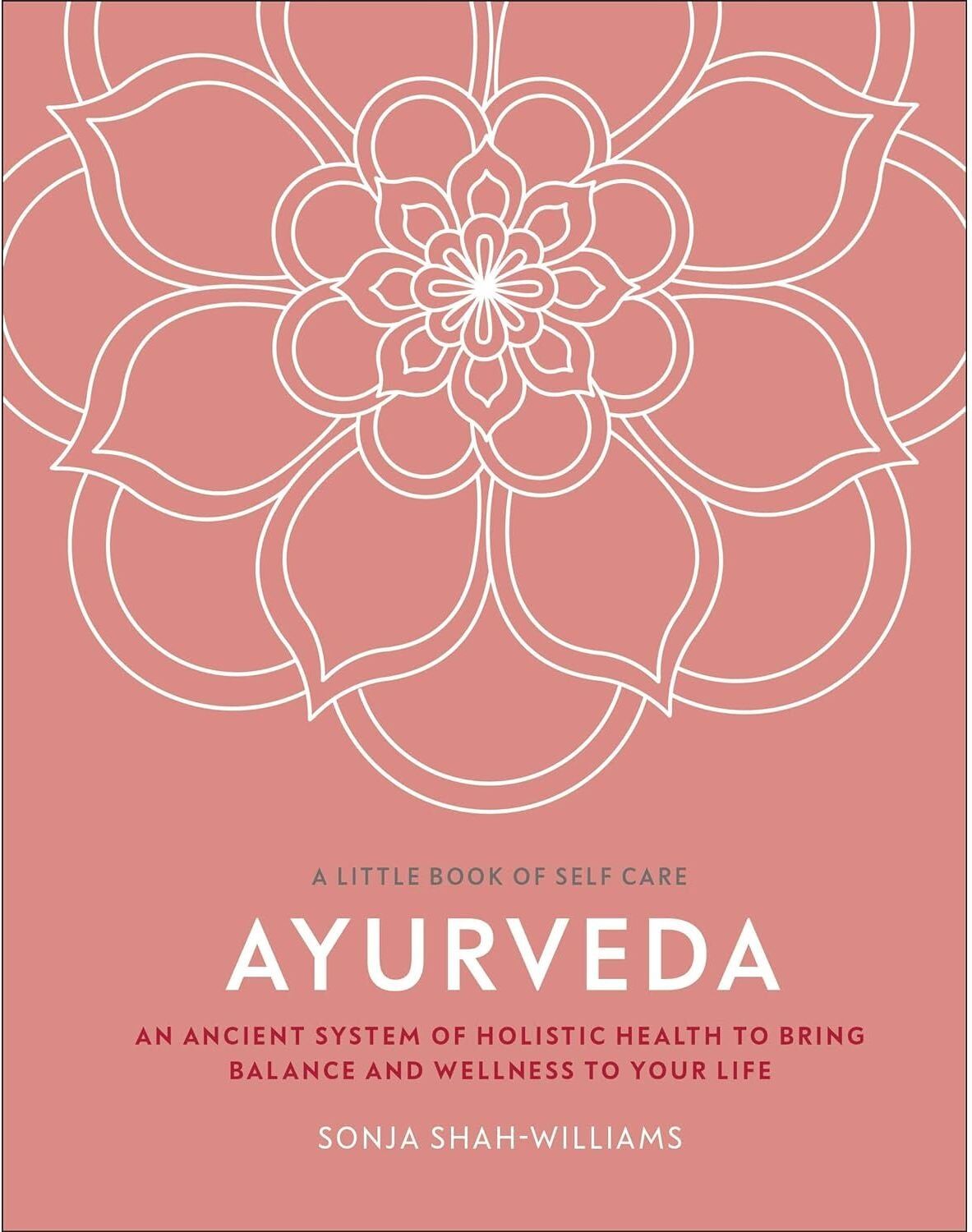
DK Ayurveda: An Ancient System of Holistic Health to Bring Balance and Wellness to Your Life (A Little Book of Self Care)Make Ayurveda an indispensable part of your daily routine with this step-by-step guide to holistic balance and wellness. For a natural approach to self-healing, alternative medicine, and wellness, expert Sonja Shah-Williams has tailored remedies including Ayurveda recipes, skincare, yoga, and mindful meditation techniques. Harness the power of alternative therapies and discover: - What Ayurveda is and the benefits of the practice - Easy to follow, step by step illustrated guide to Ayurvedic practices - Ayurvedic super-foods and recipes - How to easily incorporate holistic practices into daily life - Positive affirmations, mindfulness techniques and exercises Modern science has proved the effectiveness of Ayurveda as a view of the world based on ancient beliefs that everything is connected and that balance is the key to wellbeing. Ayurveda focuses on the prevention of disease by focusing on anti-inflammatory diets, mindful meditation, and massages. This practical guide is an Ayurvedic consultation at your disposal. This little self-care book will take you on a breathtaking journey of holistic healing. It begins by unpacking what Ayurveda is and the benefits of the practice. This reference book includes wellness practices designed to uplift the mind, body, and spirit and healing treatments designed to address, relieve, and help cure a range of common conditions.4,95 £*Shipping: 1,99 £Secure redirect to the provider
-
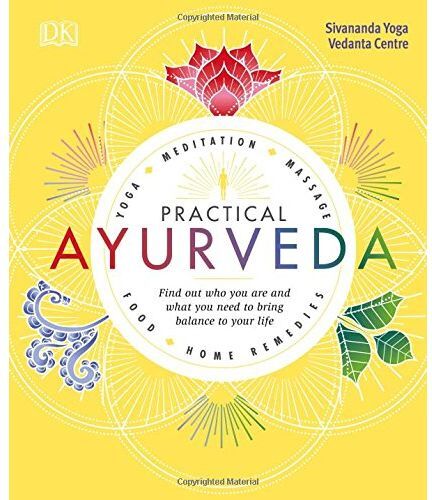
DK Practical Ayurveda – Find Out Who You Are and What You Need to Bring Balance to Your Life Holistic Health & Ayurvedic Wellness GuideDiscover the ancient wisdom of Ayurveda with Practical Ayurveda: Find Out Who You Are and What You Need to Bring Balance to Your Life, a clear and accessible guide to holistic wellbeing. Rooted in centuries of traditional Indian medicine, Ayurveda focuses on understanding your unique body type—or dosha—to achieve harmony between body, mind, and spirit. This practical guide helps readers identify their personal constitution and learn simple lifestyle, diet, and wellness practices to restore natural balance. Through easy explanations, self-assessment tools, and practical advice, this book introduces readers to Ayurvedic principles including nutrition, daily routines, herbal remedies, and mindful living. What You’ll Discover: How to identify your Ayurvedic dosha (Vata, Pitta, or Kapha) Practical tips for improving health, energy, and balance Guidance on Ayurvedic diet and lifestyle practices Natural approaches to managing stress and wellbeing Simple steps to integrate ancient wisdom into modern life Perfect for beginners and anyone interested in natural health, holistic living, and mind-body balance, Practical Ayurveda offers an inspiring introduction to one of the world’s oldest healing traditions.7,99 £*Shipping: 2,99 £Secure redirect to the provider
-
KitchenCuration Healing Quartz Crystal Water Bottle For Wellness & Energy Balance FluoriteRefresh your daily routine with a beautifully designed crystal water bottle that combines mindful living with elegant style. Crafted for wellness enthusiasts, yoga lovers, and anyone seeking a calming hydration experience, this bottle features a...49,97 $*Shipping: 0,00 $Secure redirect to the provider
-
Uplifted Goods Laser Therapy Watch For Circulation And Vascular Wellness blackEnhance your daily wellness routine with this laser therapy watch designed to support healthy blood circulation and overall vascular health. Using gentle low level laser light, it provides a non invasive way to promote better blood flow and oxygen...1422,50 $*Shipping: 0,00 $Secure redirect to the provider


-
Did Constantinople end the Middle Ages?
Constantinople's fall in 1453 to the Ottoman Empire is often seen as a symbolic end to the Middle Ages. The fall of the city marked the end of the Byzantine Empire, which had been a key player in the medieval world. The event also had significant repercussions on trade, culture, and politics in Europe, leading to the beginning of the Renaissance period. While it did not single-handedly end the Middle Ages, the fall of Constantinople was a significant event that contributed to the transition from the medieval to the early modern period. **
-
Why did the Crusaders attack Constantinople?
The Crusaders attacked Constantinople in 1204 during the Fourth Crusade because they were diverted from their original mission to recapture Jerusalem and were instead persuaded by the Venetians to attack the Byzantine Empire. The Venetians had financial interests in the region and saw an opportunity to weaken their commercial rival, the Byzantines. Additionally, the Crusaders were promised financial and military support by the deposed Byzantine prince Alexios IV, who sought to reclaim the throne from his uncle. This combination of financial incentives and political maneuvering led the Crusaders to turn against Constantinople. **
-
Why did the Ottomans conquer Constantinople?
The Ottomans conquered Constantinople in 1453 in order to expand their empire and establish control over the lucrative trade routes that passed through the city. Additionally, capturing Constantinople allowed the Ottomans to solidify their power in the region and establish themselves as a major world power. The conquest of Constantinople also marked the end of the Byzantine Empire and the beginning of the Ottoman Empire's dominance in the region. **
-
How tall were the walls of the city of Constantinople?
The walls of the city of Constantinople were approximately 12 meters (40 feet) high and 5-6 meters (16-20 feet) thick. They were made of stone and brick, reinforced with towers and other defensive structures. These formidable walls played a crucial role in protecting the city from numerous sieges throughout its history. **


How did Fatih Sultan Mehmed Han manage to conquer Constantinople?
Fatih Sultan Mehmed Han managed to conquer Constantinople by employing a combination of military strategy, advanced weaponry, and determination. He utilized a massive army, including infantry, cavalry, and artillery, to besiege the city for nearly two months. Mehmed also ordered the construction of a massive cannon, known as the "Basilica," which was used to breach the city's walls. Additionally, he strategically positioned his troops and ships to cut off the city's supply routes and prevent reinforcements from arriving. Ultimately, Mehmed's relentless determination and innovative military tactics allowed him to capture Constantinople on May 29, 1453, marking the end of the Byzantine Empire and the beginning of the Ottoman Empire. **
Was it prophesied in the Quran that Constantinople will be conquered?
Yes, it is believed that the Quran prophesied the conquest of Constantinople. In Surah Ar-Rum (30:1-4), it is mentioned that the Romans will be victorious within a few years. This victory is interpreted by many Muslims as referring to the conquest of Constantinople by the Ottoman Empire in 1453. This event is seen as a fulfillment of the Quranic prophecy. **
Top-Angebote
Products related to Constantinople:
-
Uplift Essentials Mental Health & Psychology Motivational Sign Inspirational Modern Decor For Counseling & Classroom Corners Mental Health & Psychology Motivational Sign Inspirational Modern Decor For Counseling & Classroom Corners"Synchronize your sanctuary with the highdefinition, highvibration energy of our Psychology Motivational Decoration. Featuring a sophisticated ""mindfulminimalist"" silhouette, this professional plaque is designed to bring a ""calmluxe"" energy to your..."59,97 $*Shipping: 0,00 $Secure redirect to the provider
-
Uplifted Finds Mental Health Awareness Acrylic Sign Psychology Motivational Decor For Counseling, Classroom & Office Mental Health Awareness Acrylic Sign Psychology Motivational Decor For Counseling, Classroom & Office"Foster a culture of resilience and wellness with our Mental Health Gift. This premium psychology motivational decoration is the ultimate designer solution for creating a ""MindfulSanctuary"" or ""PositiveFocus"" atmosphere in any home. Featuring a..."71,97 $*Shipping: 0,00 $Secure redirect to the provider
-
DK Ayurveda: An Ancient System of Holistic Health to Bring Balance and Wellness to Your Life (A Little Book of Self Care)Make Ayurveda an indispensable part of your daily routine with this step-by-step guide to holistic balance and wellness. For a natural approach to self-healing, alternative medicine, and wellness, expert Sonja Shah-Williams has tailored remedies including Ayurveda recipes, skincare, yoga, and mindful meditation techniques. Harness the power of alternative therapies and discover: - What Ayurveda is and the benefits of the practice - Easy to follow, step by step illustrated guide to Ayurvedic practices - Ayurvedic super-foods and recipes - How to easily incorporate holistic practices into daily life - Positive affirmations, mindfulness techniques and exercises Modern science has proved the effectiveness of Ayurveda as a view of the world based on ancient beliefs that everything is connected and that balance is the key to wellbeing. Ayurveda focuses on the prevention of disease by focusing on anti-inflammatory diets, mindful meditation, and massages. This practical guide is an Ayurvedic consultation at your disposal. This little self-care book will take you on a breathtaking journey of holistic healing. It begins by unpacking what Ayurveda is and the benefits of the practice. This reference book includes wellness practices designed to uplift the mind, body, and spirit and healing treatments designed to address, relieve, and help cure a range of common conditions.4,95 £*Shipping: 1,99 £Secure redirect to the provider
-
DK Practical Ayurveda – Find Out Who You Are and What You Need to Bring Balance to Your Life Holistic Health & Ayurvedic Wellness GuideDiscover the ancient wisdom of Ayurveda with Practical Ayurveda: Find Out Who You Are and What You Need to Bring Balance to Your Life, a clear and accessible guide to holistic wellbeing. Rooted in centuries of traditional Indian medicine, Ayurveda focuses on understanding your unique body type—or dosha—to achieve harmony between body, mind, and spirit. This practical guide helps readers identify their personal constitution and learn simple lifestyle, diet, and wellness practices to restore natural balance. Through easy explanations, self-assessment tools, and practical advice, this book introduces readers to Ayurvedic principles including nutrition, daily routines, herbal remedies, and mindful living. What You’ll Discover: How to identify your Ayurvedic dosha (Vata, Pitta, or Kapha) Practical tips for improving health, energy, and balance Guidance on Ayurvedic diet and lifestyle practices Natural approaches to managing stress and wellbeing Simple steps to integrate ancient wisdom into modern life Perfect for beginners and anyone interested in natural health, holistic living, and mind-body balance, Practical Ayurveda offers an inspiring introduction to one of the world’s oldest healing traditions.7,99 £*Shipping: 2,99 £Secure redirect to the provider
-
Do you say Istanbul or Constantinople?
Both Istanbul and Constantinople are used to refer to the same city, but Istanbul is the modern and official name of the city in Turkey. Constantinople was the city's name during the Byzantine Empire and for centuries afterwards. Today, Istanbul is the commonly accepted name for the city in everyday conversation and in official contexts. **
-
Do the Greeks call Istanbul Constantinople?
No, the Greeks do not call Istanbul Constantinople. The city was known as Constantinople during the Byzantine Empire, but after the Ottoman conquest in 1453, it was renamed Istanbul. Today, both Greeks and Turks refer to the city as Istanbul. **
-
Did Constantinople end the Middle Ages?
Constantinople's fall in 1453 to the Ottoman Empire is often seen as a symbolic end to the Middle Ages. The fall of the city marked the end of the Byzantine Empire, which had been a key player in the medieval world. The event also had significant repercussions on trade, culture, and politics in Europe, leading to the beginning of the Renaissance period. While it did not single-handedly end the Middle Ages, the fall of Constantinople was a significant event that contributed to the transition from the medieval to the early modern period. **
-
Why did the Crusaders attack Constantinople?
The Crusaders attacked Constantinople in 1204 during the Fourth Crusade because they were diverted from their original mission to recapture Jerusalem and were instead persuaded by the Venetians to attack the Byzantine Empire. The Venetians had financial interests in the region and saw an opportunity to weaken their commercial rival, the Byzantines. Additionally, the Crusaders were promised financial and military support by the deposed Byzantine prince Alexios IV, who sought to reclaim the throne from his uncle. This combination of financial incentives and political maneuvering led the Crusaders to turn against Constantinople. **
Similar search terms for Constantinople
-
KitchenCuration Healing Quartz Crystal Water Bottle For Wellness & Energy Balance FluoriteRefresh your daily routine with a beautifully designed crystal water bottle that combines mindful living with elegant style. Crafted for wellness enthusiasts, yoga lovers, and anyone seeking a calming hydration experience, this bottle features a...49,97 $*Shipping: 0,00 $Secure redirect to the provider
-
Uplifted Goods Laser Therapy Watch For Circulation And Vascular Wellness blackEnhance your daily wellness routine with this laser therapy watch designed to support healthy blood circulation and overall vascular health. Using gentle low level laser light, it provides a non invasive way to promote better blood flow and oxygen...1422,50 $*Shipping: 0,00 $Secure redirect to the provider
-
KitchenCuration Healing Quartz Crystal Water Bottle For Wellness & Energy Balance Clear QuartzRefresh your daily routine with a beautifully designed crystal water bottle that combines mindful living with elegant style. Crafted for wellness enthusiasts, yoga lovers, and anyone seeking a calming hydration experience, this bottle features a...49,97 $*Shipping: 0,00 $Secure redirect to the provider
-
KitchenCuration Healing Quartz Crystal Water Bottle For Wellness & Energy Balance Smoky QuartzRefresh your daily routine with a beautifully designed crystal water bottle that combines mindful living with elegant style. Crafted for wellness enthusiasts, yoga lovers, and anyone seeking a calming hydration experience, this bottle features a...49,97 $*Shipping: 0,00 $Secure redirect to the provider
-
Why did the Ottomans conquer Constantinople?
The Ottomans conquered Constantinople in 1453 in order to expand their empire and establish control over the lucrative trade routes that passed through the city. Additionally, capturing Constantinople allowed the Ottomans to solidify their power in the region and establish themselves as a major world power. The conquest of Constantinople also marked the end of the Byzantine Empire and the beginning of the Ottoman Empire's dominance in the region. **
-
How tall were the walls of the city of Constantinople?
The walls of the city of Constantinople were approximately 12 meters (40 feet) high and 5-6 meters (16-20 feet) thick. They were made of stone and brick, reinforced with towers and other defensive structures. These formidable walls played a crucial role in protecting the city from numerous sieges throughout its history. **
-
How did Fatih Sultan Mehmed Han manage to conquer Constantinople?
Fatih Sultan Mehmed Han managed to conquer Constantinople by employing a combination of military strategy, advanced weaponry, and determination. He utilized a massive army, including infantry, cavalry, and artillery, to besiege the city for nearly two months. Mehmed also ordered the construction of a massive cannon, known as the "Basilica," which was used to breach the city's walls. Additionally, he strategically positioned his troops and ships to cut off the city's supply routes and prevent reinforcements from arriving. Ultimately, Mehmed's relentless determination and innovative military tactics allowed him to capture Constantinople on May 29, 1453, marking the end of the Byzantine Empire and the beginning of the Ottoman Empire. **
-
Was it prophesied in the Quran that Constantinople will be conquered?
Yes, it is believed that the Quran prophesied the conquest of Constantinople. In Surah Ar-Rum (30:1-4), it is mentioned that the Romans will be victorious within a few years. This victory is interpreted by many Muslims as referring to the conquest of Constantinople by the Ottoman Empire in 1453. This event is seen as a fulfillment of the Quranic prophecy. **
* All prices are inclusive of VAT and, if applicable, plus shipping costs. The offer information is based on the details provided by the respective shop and is updated through automated processes. Real-time updates do not occur, so deviations can occur in individual cases. ** Note: Parts of this content were created by AI.