Buy therapiepraxis.eu ?
We are moving the project
therapiepraxis.eu .
Are you interested in purchasing the domain
therapiepraxis.eu ?
domain@kv-gmbh.de · 0541-91531010
Buy therapiepraxis.eu ?
What is the implication?
The implication refers to the conclusion or suggestion that can be drawn from a particular situation or piece of information. It is the logical consequence or significance of something that has been said or done. Understanding the implication is important as it helps us grasp the deeper meaning or potential outcomes of a given scenario. It allows us to make informed decisions and anticipate the possible effects of our actions. **
Are implication and conjunction the same?
No, implication and conjunction are not the same. Implication, represented by the symbol "→", is a logical operation that represents "if-then" statements. It states that if the antecedent is true, then the consequent must also be true. On the other hand, conjunction, represented by the symbol "∧", is a logical operation that represents "and" statements. It states that both the statements connected by the conjunction must be true for the entire statement to be true. In summary, implication deals with conditional relationships, while conjunction deals with the combination of multiple true statements. **
Similar search terms for Implication
Top-Angebote
Products related to Implication:
-
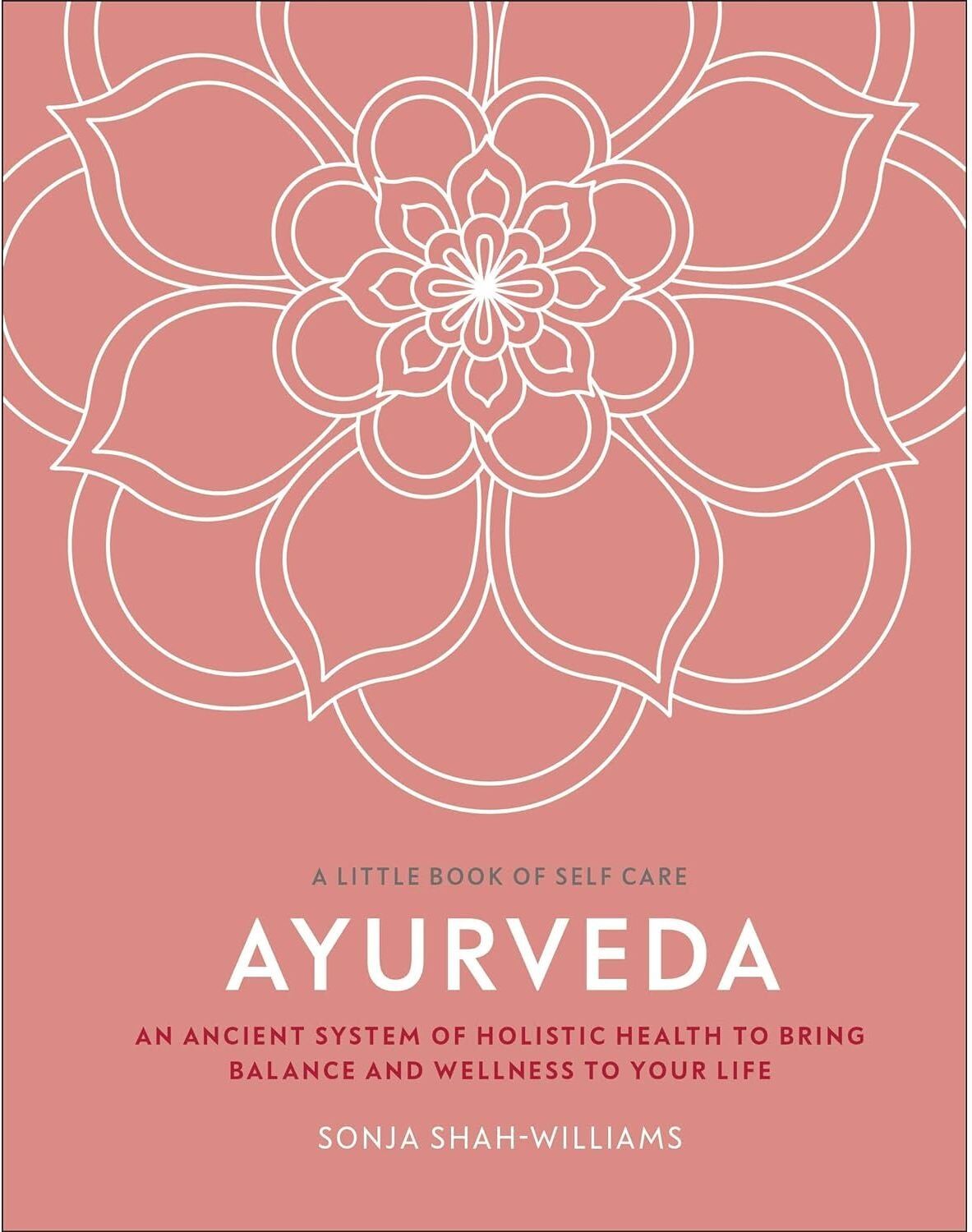
DK Ayurveda: An Ancient System of Holistic Health to Bring Balance and Wellness to Your Life (A Little Book of Self Care)Make Ayurveda an indispensable part of your daily routine with this step-by-step guide to holistic balance and wellness. For a natural approach to self-healing, alternative medicine, and wellness, expert Sonja Shah-Williams has tailored remedies including Ayurveda recipes, skincare, yoga, and mindful meditation techniques. Harness the power of alternative therapies and discover: - What Ayurveda is and the benefits of the practice - Easy to follow, step by step illustrated guide to Ayurvedic practices - Ayurvedic super-foods and recipes - How to easily incorporate holistic practices into daily life - Positive affirmations, mindfulness techniques and exercises Modern science has proved the effectiveness of Ayurveda as a view of the world based on ancient beliefs that everything is connected and that balance is the key to wellbeing. Ayurveda focuses on the prevention of disease by focusing on anti-inflammatory diets, mindful meditation, and massages. This practical guide is an Ayurvedic consultation at your disposal. This little self-care book will take you on a breathtaking journey of holistic healing. It begins by unpacking what Ayurveda is and the benefits of the practice. This reference book includes wellness practices designed to uplift the mind, body, and spirit and healing treatments designed to address, relieve, and help cure a range of common conditions.4,95 £*Shipping: 1,99 £Secure redirect to the provider
-
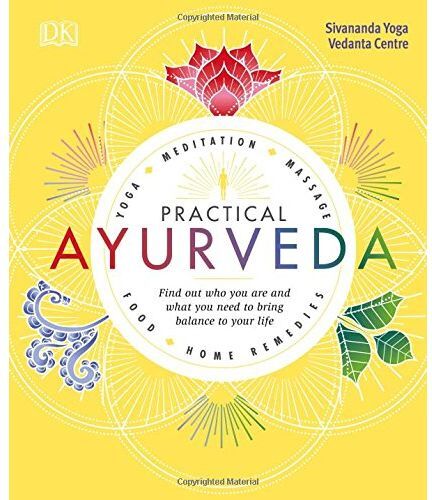
DK Practical Ayurveda – Find Out Who You Are and What You Need to Bring Balance to Your Life Holistic Health & Ayurvedic Wellness GuideDiscover the ancient wisdom of Ayurveda with Practical Ayurveda: Find Out Who You Are and What You Need to Bring Balance to Your Life, a clear and accessible guide to holistic wellbeing. Rooted in centuries of traditional Indian medicine, Ayurveda focuses on understanding your unique body type—or dosha—to achieve harmony between body, mind, and spirit. This practical guide helps readers identify their personal constitution and learn simple lifestyle, diet, and wellness practices to restore natural balance. Through easy explanations, self-assessment tools, and practical advice, this book introduces readers to Ayurvedic principles including nutrition, daily routines, herbal remedies, and mindful living. What You’ll Discover: How to identify your Ayurvedic dosha (Vata, Pitta, or Kapha) Practical tips for improving health, energy, and balance Guidance on Ayurvedic diet and lifestyle practices Natural approaches to managing stress and wellbeing Simple steps to integrate ancient wisdom into modern life Perfect for beginners and anyone interested in natural health, holistic living, and mind-body balance, Practical Ayurveda offers an inspiring introduction to one of the world’s oldest healing traditions.7,99 £*Shipping: 2,99 £Secure redirect to the provider
-
KitchenCuration Healing Quartz Crystal Water Bottle For Wellness & Energy Balance FluoriteRefresh your daily routine with a beautifully designed crystal water bottle that combines mindful living with elegant style. Crafted for wellness enthusiasts, yoga lovers, and anyone seeking a calming hydration experience, this bottle features a...49,97 $*Shipping: 0,00 $Secure redirect to the provider
-
Uplifted Goods Laser Therapy Watch For Circulation And Vascular Wellness blackEnhance your daily wellness routine with this laser therapy watch designed to support healthy blood circulation and overall vascular health. Using gentle low level laser light, it provides a non invasive way to promote better blood flow and oxygen...1422,50 $*Shipping: 0,00 $Secure redirect to the provider


-
How do I prove the following implication?
To prove an implication, you typically assume the antecedent (the statement that comes before the "if" in the implication) is true and then show that the consequent (the statement that comes after the "then" in the implication) must also be true. This can be done through direct proof, contrapositive proof, proof by contradiction, or proof by cases, depending on the specific implication and the context in which it is being proven. It is important to carefully follow the logical steps and rules of inference to ensure a valid proof. **
-
How can I best remember the implication?
To best remember the implication, you can try creating associations or connections between the information you want to remember and something familiar to you. This could be through visualization, creating mnemonic devices, or using repetition to reinforce the concept in your memory. Additionally, practicing active recall by testing yourself on the implication and explaining it in your own words can help solidify your understanding and retention of the information. Lastly, teaching the concept to someone else can also be an effective way to remember the implication as it requires you to articulate and reinforce your understanding of the topic. **
-
Does an implication apply to both sides?
Yes, an implication applies to both sides. In an implication statement "if A then B," A is the antecedent and B is the consequent. This means that if A is true, then B must also be true. However, if A is false, then the statement is still considered true, as there is no requirement for B to be true in that case. Therefore, an implication applies to both sides, but the truth value of the antecedent does not necessarily determine the truth value of the consequent. **
-
What is the difference between allusion and implication?
An allusion is a reference to a person, place, event, or literary work that the author expects the reader to recognize and understand. It is a direct or indirect reference to something outside of the text. On the other hand, an implication is a suggestion or hint that is not explicitly stated in the text but can be inferred by the reader. It is the conclusion or meaning that the reader draws from the text based on the information provided. In summary, an allusion is a direct reference, while an implication is a subtle suggestion or inference. **


Can a permit also be granted by implication?
Yes, a permit can also be granted by implication. This means that even if a permit is not explicitly stated or written down, it can still be inferred or implied based on the actions or conduct of the parties involved. For example, if a property owner consistently allows a certain activity to take place on their property without objection, it can be implied that they have granted a permit for that activity. Implied permits are often based on the principle of estoppel, where a party is prevented from denying something due to their previous actions or representations. **
What do I not understand about disjunction and implication?
It seems like you may not fully understand the difference between disjunction and implication in logic. Disjunction, represented by the symbol "∨", is a logical operation that represents "or" - it is true if at least one of the statements is true. Implication, represented by the symbol "→", is a logical operation that represents "if...then" - it is false only when the antecedent is true and the consequent is false. Understanding the nuances of how these logical operations work and how they are used in different contexts can help clarify any confusion you may have. **
Top-Angebote
Products related to Implication:
-
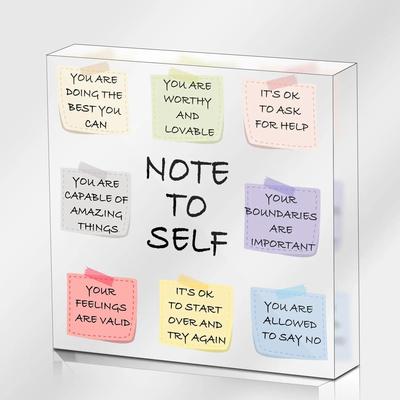
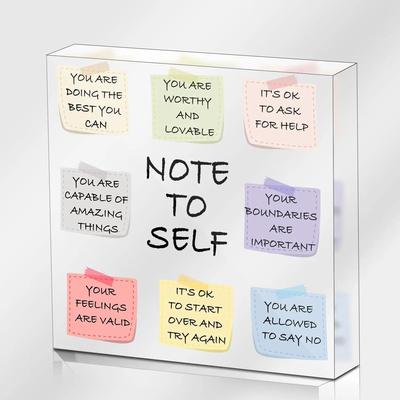
Uplift Essentials Mental Health & Psychology Motivational Sign Inspirational Modern Decor For Counseling & Classroom Corners Mental Health & Psychology Motivational Sign Inspirational Modern Decor For Counseling & Classroom Corners"Synchronize your sanctuary with the highdefinition, highvibration energy of our Psychology Motivational Decoration. Featuring a sophisticated ""mindfulminimalist"" silhouette, this professional plaque is designed to bring a ""calmluxe"" energy to your..."59,97 $*Shipping: 0,00 $Secure redirect to the provider
-
Uplifted Finds Mental Health Awareness Acrylic Sign Psychology Motivational Decor For Counseling, Classroom & Office Mental Health Awareness Acrylic Sign Psychology Motivational Decor For Counseling, Classroom & Office"Foster a culture of resilience and wellness with our Mental Health Gift. This premium psychology motivational decoration is the ultimate designer solution for creating a ""MindfulSanctuary"" or ""PositiveFocus"" atmosphere in any home. Featuring a..."71,97 $*Shipping: 0,00 $Secure redirect to the provider
-
DK Ayurveda: An Ancient System of Holistic Health to Bring Balance and Wellness to Your Life (A Little Book of Self Care)Make Ayurveda an indispensable part of your daily routine with this step-by-step guide to holistic balance and wellness. For a natural approach to self-healing, alternative medicine, and wellness, expert Sonja Shah-Williams has tailored remedies including Ayurveda recipes, skincare, yoga, and mindful meditation techniques. Harness the power of alternative therapies and discover: - What Ayurveda is and the benefits of the practice - Easy to follow, step by step illustrated guide to Ayurvedic practices - Ayurvedic super-foods and recipes - How to easily incorporate holistic practices into daily life - Positive affirmations, mindfulness techniques and exercises Modern science has proved the effectiveness of Ayurveda as a view of the world based on ancient beliefs that everything is connected and that balance is the key to wellbeing. Ayurveda focuses on the prevention of disease by focusing on anti-inflammatory diets, mindful meditation, and massages. This practical guide is an Ayurvedic consultation at your disposal. This little self-care book will take you on a breathtaking journey of holistic healing. It begins by unpacking what Ayurveda is and the benefits of the practice. This reference book includes wellness practices designed to uplift the mind, body, and spirit and healing treatments designed to address, relieve, and help cure a range of common conditions.4,95 £*Shipping: 1,99 £Secure redirect to the provider
-
DK Practical Ayurveda – Find Out Who You Are and What You Need to Bring Balance to Your Life Holistic Health & Ayurvedic Wellness GuideDiscover the ancient wisdom of Ayurveda with Practical Ayurveda: Find Out Who You Are and What You Need to Bring Balance to Your Life, a clear and accessible guide to holistic wellbeing. Rooted in centuries of traditional Indian medicine, Ayurveda focuses on understanding your unique body type—or dosha—to achieve harmony between body, mind, and spirit. This practical guide helps readers identify their personal constitution and learn simple lifestyle, diet, and wellness practices to restore natural balance. Through easy explanations, self-assessment tools, and practical advice, this book introduces readers to Ayurvedic principles including nutrition, daily routines, herbal remedies, and mindful living. What You’ll Discover: How to identify your Ayurvedic dosha (Vata, Pitta, or Kapha) Practical tips for improving health, energy, and balance Guidance on Ayurvedic diet and lifestyle practices Natural approaches to managing stress and wellbeing Simple steps to integrate ancient wisdom into modern life Perfect for beginners and anyone interested in natural health, holistic living, and mind-body balance, Practical Ayurveda offers an inspiring introduction to one of the world’s oldest healing traditions.7,99 £*Shipping: 2,99 £Secure redirect to the provider
-
What is the implication?
The implication refers to the conclusion or suggestion that can be drawn from a particular situation or piece of information. It is the logical consequence or significance of something that has been said or done. Understanding the implication is important as it helps us grasp the deeper meaning or potential outcomes of a given scenario. It allows us to make informed decisions and anticipate the possible effects of our actions. **
-
Are implication and conjunction the same?
No, implication and conjunction are not the same. Implication, represented by the symbol "→", is a logical operation that represents "if-then" statements. It states that if the antecedent is true, then the consequent must also be true. On the other hand, conjunction, represented by the symbol "∧", is a logical operation that represents "and" statements. It states that both the statements connected by the conjunction must be true for the entire statement to be true. In summary, implication deals with conditional relationships, while conjunction deals with the combination of multiple true statements. **
-
How do I prove the following implication?
To prove an implication, you typically assume the antecedent (the statement that comes before the "if" in the implication) is true and then show that the consequent (the statement that comes after the "then" in the implication) must also be true. This can be done through direct proof, contrapositive proof, proof by contradiction, or proof by cases, depending on the specific implication and the context in which it is being proven. It is important to carefully follow the logical steps and rules of inference to ensure a valid proof. **
-
How can I best remember the implication?
To best remember the implication, you can try creating associations or connections between the information you want to remember and something familiar to you. This could be through visualization, creating mnemonic devices, or using repetition to reinforce the concept in your memory. Additionally, practicing active recall by testing yourself on the implication and explaining it in your own words can help solidify your understanding and retention of the information. Lastly, teaching the concept to someone else can also be an effective way to remember the implication as it requires you to articulate and reinforce your understanding of the topic. **
Similar search terms for Implication
-
KitchenCuration Healing Quartz Crystal Water Bottle For Wellness & Energy Balance FluoriteRefresh your daily routine with a beautifully designed crystal water bottle that combines mindful living with elegant style. Crafted for wellness enthusiasts, yoga lovers, and anyone seeking a calming hydration experience, this bottle features a...49,97 $*Shipping: 0,00 $Secure redirect to the provider
-
Uplifted Goods Laser Therapy Watch For Circulation And Vascular Wellness blackEnhance your daily wellness routine with this laser therapy watch designed to support healthy blood circulation and overall vascular health. Using gentle low level laser light, it provides a non invasive way to promote better blood flow and oxygen...1422,50 $*Shipping: 0,00 $Secure redirect to the provider
-
KitchenCuration Healing Quartz Crystal Water Bottle For Wellness & Energy Balance Amethyst PurpleRefresh your daily routine with a beautifully designed crystal water bottle that combines mindful living with elegant style. Crafted for wellness enthusiasts, yoga lovers, and anyone seeking a calming hydration experience, this bottle features a...53,97 $*Shipping: 0,00 $Secure redirect to the provider
-
KitchenCuration Healing Quartz Crystal Water Bottle For Wellness & Energy Balance Smoky QuartzRefresh your daily routine with a beautifully designed crystal water bottle that combines mindful living with elegant style. Crafted for wellness enthusiasts, yoga lovers, and anyone seeking a calming hydration experience, this bottle features a...49,97 $*Shipping: 0,00 $Secure redirect to the provider
-
Does an implication apply to both sides?
Yes, an implication applies to both sides. In an implication statement "if A then B," A is the antecedent and B is the consequent. This means that if A is true, then B must also be true. However, if A is false, then the statement is still considered true, as there is no requirement for B to be true in that case. Therefore, an implication applies to both sides, but the truth value of the antecedent does not necessarily determine the truth value of the consequent. **
-
What is the difference between allusion and implication?
An allusion is a reference to a person, place, event, or literary work that the author expects the reader to recognize and understand. It is a direct or indirect reference to something outside of the text. On the other hand, an implication is a suggestion or hint that is not explicitly stated in the text but can be inferred by the reader. It is the conclusion or meaning that the reader draws from the text based on the information provided. In summary, an allusion is a direct reference, while an implication is a subtle suggestion or inference. **
-
Can a permit also be granted by implication?
Yes, a permit can also be granted by implication. This means that even if a permit is not explicitly stated or written down, it can still be inferred or implied based on the actions or conduct of the parties involved. For example, if a property owner consistently allows a certain activity to take place on their property without objection, it can be implied that they have granted a permit for that activity. Implied permits are often based on the principle of estoppel, where a party is prevented from denying something due to their previous actions or representations. **
-
What do I not understand about disjunction and implication?
It seems like you may not fully understand the difference between disjunction and implication in logic. Disjunction, represented by the symbol "∨", is a logical operation that represents "or" - it is true if at least one of the statements is true. Implication, represented by the symbol "→", is a logical operation that represents "if...then" - it is false only when the antecedent is true and the consequent is false. Understanding the nuances of how these logical operations work and how they are used in different contexts can help clarify any confusion you may have. **
* All prices are inclusive of VAT and, if applicable, plus shipping costs. The offer information is based on the details provided by the respective shop and is updated through automated processes. Real-time updates do not occur, so deviations can occur in individual cases. ** Note: Parts of this content were created by AI.