Buy therapiepraxis.eu ?
We are moving the project
therapiepraxis.eu .
Are you interested in purchasing the domain
therapiepraxis.eu ?
domain@kv-gmbh.de · 0541-91531010
Buy therapiepraxis.eu ?
What changes did Neo-Impressionism bring to Impressionism?
Neo-Impressionism brought several changes to Impressionism. One of the most significant changes was the use of pointillism, a technique in which small dots of pure color are applied to the canvas, creating a more vibrant and luminous effect. Additionally, Neo-Impressionists focused on the scientific principles of color theory, using complementary colors to create a sense of harmony and balance in their compositions. This departure from the spontaneous and gestural brushwork of Impressionism marked a shift towards a more systematic and methodical approach to painting. Overall, Neo-Impressionism brought a greater emphasis on color theory and technique, as well as a more structured and deliberate approach to capturing light and color in art. **
What is Impressionism?
Impressionism is an art movement that originated in France in the 19th century. It is characterized by capturing the essence of a scene through the use of light and color, rather than focusing on details. Impressionist artists often painted outdoors to capture the changing effects of light on their subjects. Some famous Impressionist artists include Claude Monet, Edgar Degas, and Pierre-Auguste Renoir. **
Similar search terms for Impressionism
Top-Angebote
Products related to Impressionism:
-
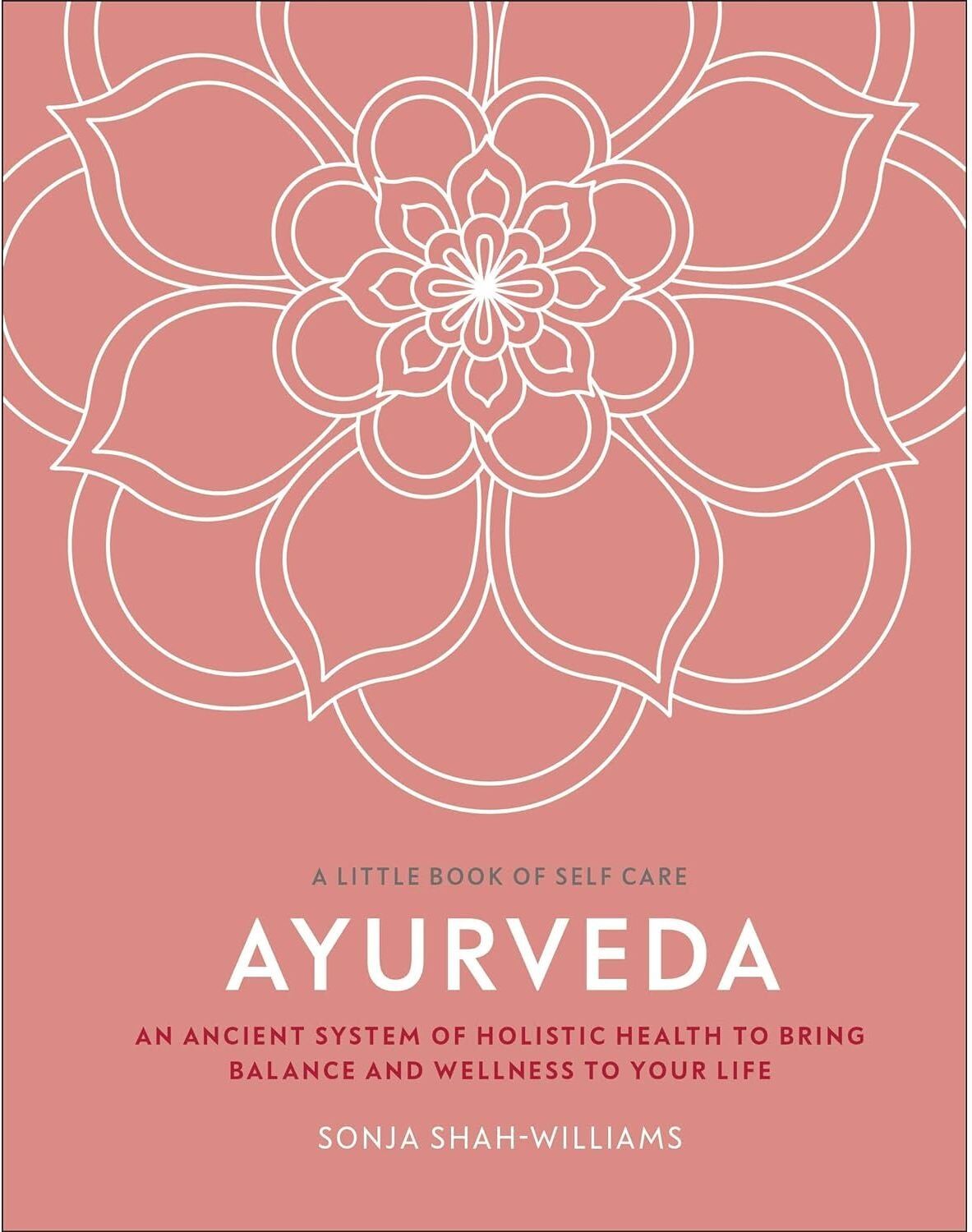
DK Ayurveda: An Ancient System of Holistic Health to Bring Balance and Wellness to Your Life (A Little Book of Self Care)Make Ayurveda an indispensable part of your daily routine with this step-by-step guide to holistic balance and wellness. For a natural approach to self-healing, alternative medicine, and wellness, expert Sonja Shah-Williams has tailored remedies including Ayurveda recipes, skincare, yoga, and mindful meditation techniques. Harness the power of alternative therapies and discover: - What Ayurveda is and the benefits of the practice - Easy to follow, step by step illustrated guide to Ayurvedic practices - Ayurvedic super-foods and recipes - How to easily incorporate holistic practices into daily life - Positive affirmations, mindfulness techniques and exercises Modern science has proved the effectiveness of Ayurveda as a view of the world based on ancient beliefs that everything is connected and that balance is the key to wellbeing. Ayurveda focuses on the prevention of disease by focusing on anti-inflammatory diets, mindful meditation, and massages. This practical guide is an Ayurvedic consultation at your disposal. This little self-care book will take you on a breathtaking journey of holistic healing. It begins by unpacking what Ayurveda is and the benefits of the practice. This reference book includes wellness practices designed to uplift the mind, body, and spirit and healing treatments designed to address, relieve, and help cure a range of common conditions.4,95 £*Shipping: 1,99 £Secure redirect to the provider
-
DK Practical Ayurveda – Find Out Who You Are and What You Need to Bring Balance to Your Life Holistic Health & Ayurvedic Wellness GuideDiscover the ancient wisdom of Ayurveda with Practical Ayurveda: Find Out Who You Are and What You Need to Bring Balance to Your Life, a clear and accessible guide to holistic wellbeing. Rooted in centuries of traditional Indian medicine, Ayurveda focuses on understanding your unique body type—or dosha—to achieve harmony between body, mind, and spirit. This practical guide helps readers identify their personal constitution and learn simple lifestyle, diet, and wellness practices to restore natural balance. Through easy explanations, self-assessment tools, and practical advice, this book introduces readers to Ayurvedic principles including nutrition, daily routines, herbal remedies, and mindful living. What You’ll Discover: How to identify your Ayurvedic dosha (Vata, Pitta, or Kapha) Practical tips for improving health, energy, and balance Guidance on Ayurvedic diet and lifestyle practices Natural approaches to managing stress and wellbeing Simple steps to integrate ancient wisdom into modern life Perfect for beginners and anyone interested in natural health, holistic living, and mind-body balance, Practical Ayurveda offers an inspiring introduction to one of the world’s oldest healing traditions.7,99 £*Shipping: 2,99 £Secure redirect to the provider
-
KitchenCuration Healing Quartz Crystal Water Bottle For Wellness & Energy Balance FluoriteRefresh your daily routine with a beautifully designed crystal water bottle that combines mindful living with elegant style. Crafted for wellness enthusiasts, yoga lovers, and anyone seeking a calming hydration experience, this bottle features a...49,97 $*Shipping: 0,00 $Secure redirect to the provider
-
Uplifted Goods Laser Therapy Watch For Circulation And Vascular Wellness blackEnhance your daily wellness routine with this laser therapy watch designed to support healthy blood circulation and overall vascular health. Using gentle low level laser light, it provides a non invasive way to promote better blood flow and oxygen...1422,50 $*Shipping: 0,00 $Secure redirect to the provider



-
Is this Impressionism?
Yes, this painting exhibits characteristics of Impressionism. The loose brushwork, use of light and color to capture a fleeting moment, and the emphasis on capturing the atmosphere and mood rather than precise details are all typical of Impressionist art. Additionally, the subject matter of a landscape scene and the focus on the effects of light on the water further align this painting with the Impressionist style. **
-
What is Impressionism in music?
Impressionism in music is a style that emerged in the late 19th and early 20th centuries, primarily in France. It is characterized by a focus on creating mood and atmosphere through the use of color, texture, and harmony, rather than traditional forms and structures. Impressionist composers often used innovative harmonies, exotic scales, and unconventional scales to evoke emotions and imagery in their music. Some notable Impressionist composers include Claude Debussy and Maurice Ravel. **
-
Is it Impressionism or Expressionism?
The style is likely Impressionism if the artwork features visible brushstrokes, a focus on capturing the effects of light, and a naturalistic color palette. On the other hand, if the artwork features bold, exaggerated colors, distorted forms, and a focus on conveying emotion and inner feelings, it is likely Expressionism. It's important to consider the specific characteristics and techniques used in the artwork to determine whether it aligns more with Impressionism or Expressionism. **
-
What is impressionism in music?
Impressionism in music is a style that emerged in the late 19th and early 20th centuries, primarily in France. It is characterized by a focus on creating mood and atmosphere through the use of color, texture, and harmony, rather than traditional forms and structures. Impressionist composers often used techniques such as whole tone scales, parallel chords, and unresolved dissonances to create a dreamy, ethereal quality in their music. Some notable composers associated with impressionism in music include Claude Debussy and Maurice Ravel. **


Which instruments were used in Impressionism?
Impressionist composers used a variety of instruments in their compositions, including traditional orchestral instruments such as strings, woodwinds, brass, and percussion. However, they also incorporated new and unconventional instruments, such as the celesta, harp, and saxophone, to create unique and colorful textures in their music. Additionally, Impressionist composers often experimented with different combinations of instruments and utilized the full range of each instrument to evoke the atmospheric and evocative qualities characteristic of the Impressionist style. **
What similar periods exist in Impressionism?
In Impressionism, there are two similar periods known as the early and late phases. The early phase, which lasted from the 1860s to the 1880s, is characterized by the artists' focus on capturing the effects of light and atmosphere in their paintings, as well as their use of loose brushwork and vibrant colors. The late phase, which emerged in the 1880s and continued into the 1890s, saw a shift towards more structured compositions and a greater emphasis on form and line. Despite these differences, both periods are united by their rejection of traditional academic painting techniques and their commitment to portraying the fleeting moments of everyday life. **
Top-Angebote
Products related to Impressionism:
-
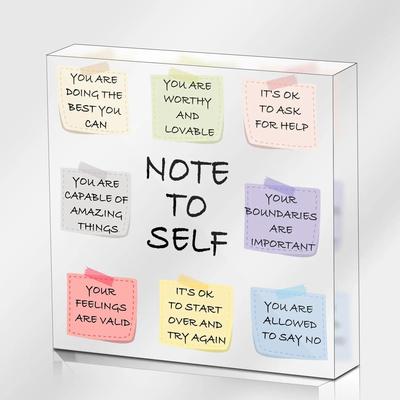
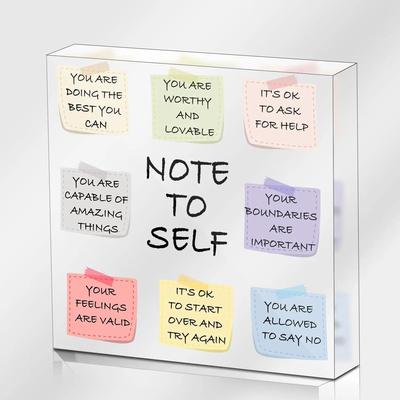
Uplift Essentials Mental Health & Psychology Motivational Sign Inspirational Modern Decor For Counseling & Classroom Corners Mental Health & Psychology Motivational Sign Inspirational Modern Decor For Counseling & Classroom Corners"Synchronize your sanctuary with the highdefinition, highvibration energy of our Psychology Motivational Decoration. Featuring a sophisticated ""mindfulminimalist"" silhouette, this professional plaque is designed to bring a ""calmluxe"" energy to your..."59,97 $*Shipping: 0,00 $Secure redirect to the provider
-
Uplifted Finds Mental Health Awareness Acrylic Sign Psychology Motivational Decor For Counseling, Classroom & Office Mental Health Awareness Acrylic Sign Psychology Motivational Decor For Counseling, Classroom & Office"Foster a culture of resilience and wellness with our Mental Health Gift. This premium psychology motivational decoration is the ultimate designer solution for creating a ""MindfulSanctuary"" or ""PositiveFocus"" atmosphere in any home. Featuring a..."71,97 $*Shipping: 0,00 $Secure redirect to the provider
-
DK Ayurveda: An Ancient System of Holistic Health to Bring Balance and Wellness to Your Life (A Little Book of Self Care)Make Ayurveda an indispensable part of your daily routine with this step-by-step guide to holistic balance and wellness. For a natural approach to self-healing, alternative medicine, and wellness, expert Sonja Shah-Williams has tailored remedies including Ayurveda recipes, skincare, yoga, and mindful meditation techniques. Harness the power of alternative therapies and discover: - What Ayurveda is and the benefits of the practice - Easy to follow, step by step illustrated guide to Ayurvedic practices - Ayurvedic super-foods and recipes - How to easily incorporate holistic practices into daily life - Positive affirmations, mindfulness techniques and exercises Modern science has proved the effectiveness of Ayurveda as a view of the world based on ancient beliefs that everything is connected and that balance is the key to wellbeing. Ayurveda focuses on the prevention of disease by focusing on anti-inflammatory diets, mindful meditation, and massages. This practical guide is an Ayurvedic consultation at your disposal. This little self-care book will take you on a breathtaking journey of holistic healing. It begins by unpacking what Ayurveda is and the benefits of the practice. This reference book includes wellness practices designed to uplift the mind, body, and spirit and healing treatments designed to address, relieve, and help cure a range of common conditions.4,95 £*Shipping: 1,99 £Secure redirect to the provider
-
DK Practical Ayurveda – Find Out Who You Are and What You Need to Bring Balance to Your Life Holistic Health & Ayurvedic Wellness GuideDiscover the ancient wisdom of Ayurveda with Practical Ayurveda: Find Out Who You Are and What You Need to Bring Balance to Your Life, a clear and accessible guide to holistic wellbeing. Rooted in centuries of traditional Indian medicine, Ayurveda focuses on understanding your unique body type—or dosha—to achieve harmony between body, mind, and spirit. This practical guide helps readers identify their personal constitution and learn simple lifestyle, diet, and wellness practices to restore natural balance. Through easy explanations, self-assessment tools, and practical advice, this book introduces readers to Ayurvedic principles including nutrition, daily routines, herbal remedies, and mindful living. What You’ll Discover: How to identify your Ayurvedic dosha (Vata, Pitta, or Kapha) Practical tips for improving health, energy, and balance Guidance on Ayurvedic diet and lifestyle practices Natural approaches to managing stress and wellbeing Simple steps to integrate ancient wisdom into modern life Perfect for beginners and anyone interested in natural health, holistic living, and mind-body balance, Practical Ayurveda offers an inspiring introduction to one of the world’s oldest healing traditions.7,99 £*Shipping: 2,99 £Secure redirect to the provider
-
What changes did Neo-Impressionism bring to Impressionism?
Neo-Impressionism brought several changes to Impressionism. One of the most significant changes was the use of pointillism, a technique in which small dots of pure color are applied to the canvas, creating a more vibrant and luminous effect. Additionally, Neo-Impressionists focused on the scientific principles of color theory, using complementary colors to create a sense of harmony and balance in their compositions. This departure from the spontaneous and gestural brushwork of Impressionism marked a shift towards a more systematic and methodical approach to painting. Overall, Neo-Impressionism brought a greater emphasis on color theory and technique, as well as a more structured and deliberate approach to capturing light and color in art. **
-
What is Impressionism?
Impressionism is an art movement that originated in France in the 19th century. It is characterized by capturing the essence of a scene through the use of light and color, rather than focusing on details. Impressionist artists often painted outdoors to capture the changing effects of light on their subjects. Some famous Impressionist artists include Claude Monet, Edgar Degas, and Pierre-Auguste Renoir. **
-
Is this Impressionism?
Yes, this painting exhibits characteristics of Impressionism. The loose brushwork, use of light and color to capture a fleeting moment, and the emphasis on capturing the atmosphere and mood rather than precise details are all typical of Impressionist art. Additionally, the subject matter of a landscape scene and the focus on the effects of light on the water further align this painting with the Impressionist style. **
-
What is Impressionism in music?
Impressionism in music is a style that emerged in the late 19th and early 20th centuries, primarily in France. It is characterized by a focus on creating mood and atmosphere through the use of color, texture, and harmony, rather than traditional forms and structures. Impressionist composers often used innovative harmonies, exotic scales, and unconventional scales to evoke emotions and imagery in their music. Some notable Impressionist composers include Claude Debussy and Maurice Ravel. **
Similar search terms for Impressionism
-
KitchenCuration Healing Quartz Crystal Water Bottle For Wellness & Energy Balance FluoriteRefresh your daily routine with a beautifully designed crystal water bottle that combines mindful living with elegant style. Crafted for wellness enthusiasts, yoga lovers, and anyone seeking a calming hydration experience, this bottle features a...49,97 $*Shipping: 0,00 $Secure redirect to the provider
-
Uplifted Goods Laser Therapy Watch For Circulation And Vascular Wellness blackEnhance your daily wellness routine with this laser therapy watch designed to support healthy blood circulation and overall vascular health. Using gentle low level laser light, it provides a non invasive way to promote better blood flow and oxygen...1422,50 $*Shipping: 0,00 $Secure redirect to the provider
-
KitchenCuration Healing Quartz Crystal Water Bottle For Wellness & Energy Balance Amethyst PurpleRefresh your daily routine with a beautifully designed crystal water bottle that combines mindful living with elegant style. Crafted for wellness enthusiasts, yoga lovers, and anyone seeking a calming hydration experience, this bottle features a...53,97 $*Shipping: 0,00 $Secure redirect to the provider
-
KitchenCuration Healing Quartz Crystal Water Bottle For Wellness & Energy Balance Smoky QuartzRefresh your daily routine with a beautifully designed crystal water bottle that combines mindful living with elegant style. Crafted for wellness enthusiasts, yoga lovers, and anyone seeking a calming hydration experience, this bottle features a...49,97 $*Shipping: 0,00 $Secure redirect to the provider
-
Is it Impressionism or Expressionism?
The style is likely Impressionism if the artwork features visible brushstrokes, a focus on capturing the effects of light, and a naturalistic color palette. On the other hand, if the artwork features bold, exaggerated colors, distorted forms, and a focus on conveying emotion and inner feelings, it is likely Expressionism. It's important to consider the specific characteristics and techniques used in the artwork to determine whether it aligns more with Impressionism or Expressionism. **
-
What is impressionism in music?
Impressionism in music is a style that emerged in the late 19th and early 20th centuries, primarily in France. It is characterized by a focus on creating mood and atmosphere through the use of color, texture, and harmony, rather than traditional forms and structures. Impressionist composers often used techniques such as whole tone scales, parallel chords, and unresolved dissonances to create a dreamy, ethereal quality in their music. Some notable composers associated with impressionism in music include Claude Debussy and Maurice Ravel. **
-
Which instruments were used in Impressionism?
Impressionist composers used a variety of instruments in their compositions, including traditional orchestral instruments such as strings, woodwinds, brass, and percussion. However, they also incorporated new and unconventional instruments, such as the celesta, harp, and saxophone, to create unique and colorful textures in their music. Additionally, Impressionist composers often experimented with different combinations of instruments and utilized the full range of each instrument to evoke the atmospheric and evocative qualities characteristic of the Impressionist style. **
-
What similar periods exist in Impressionism?
In Impressionism, there are two similar periods known as the early and late phases. The early phase, which lasted from the 1860s to the 1880s, is characterized by the artists' focus on capturing the effects of light and atmosphere in their paintings, as well as their use of loose brushwork and vibrant colors. The late phase, which emerged in the 1880s and continued into the 1890s, saw a shift towards more structured compositions and a greater emphasis on form and line. Despite these differences, both periods are united by their rejection of traditional academic painting techniques and their commitment to portraying the fleeting moments of everyday life. **
* All prices are inclusive of VAT and, if applicable, plus shipping costs. The offer information is based on the details provided by the respective shop and is updated through automated processes. Real-time updates do not occur, so deviations can occur in individual cases. ** Note: Parts of this content were created by AI.