Buy therapiepraxis.eu ?
We are moving the project
therapiepraxis.eu .
Are you interested in purchasing the domain
therapiepraxis.eu ?
domain@kv-gmbh.de · 0541-91531010
Buy therapiepraxis.eu ?
What materials are needed for occupational therapy training?
Occupational therapy training requires a variety of materials to help individuals develop the skills needed for daily living and work. Some essential materials include therapeutic tools such as therapy balls, resistance bands, and sensory equipment. Additionally, training may involve adaptive equipment like wheelchairs, splints, and assistive devices to support individuals with physical limitations. Other materials needed for occupational therapy training may include cognitive and sensory stimulation tools, such as puzzles, games, and sensory bins, to help individuals improve their cognitive and sensory processing abilities. **
What are raw materials, auxiliary materials, or operating materials?
Raw materials are the basic materials used in the production of goods. They are typically natural resources such as wood, metal, or agricultural products. Auxiliary materials are used to support the production process, such as lubricants, cleaning agents, or packaging materials. Operating materials are the supplies and tools used in the day-to-day operations of a business, such as office supplies, maintenance tools, or safety equipment. These materials are essential for the production and operation of goods and services. **

Similar search terms for Materials
Top-Angebote
Products related to Materials:
-
Uplifted Finds Mental Health Awareness Acrylic Sign Psychology Motivational Decor For Counseling, Classroom & Office Mental Health Awareness Acrylic Sign Psychology Motivational Decor For Counseling, Classroom & Office"Foster a culture of resilience and wellness with our Mental Health Gift. This premium psychology motivational decoration is the ultimate designer solution for creating a ""MindfulSanctuary"" or ""PositiveFocus"" atmosphere in any home. Featuring a..."71,97 $*Shipping: 0,00 $Secure redirect to the provider
-
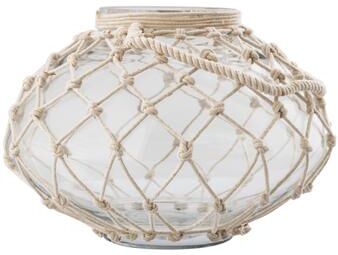
Elk Studio Elk Home Bonita Natural Natural Materials 12 Inch Wide VaseThe Bonita Vase has a low, wide rounded body made of glass which is wrapped loosely with a jute rope in a knotted, open weave pattern. The mouth of the vase features a twisted hute rope handle for easy transport.98,00 $*Shipping: 0,00 $Secure redirect to the provider
-
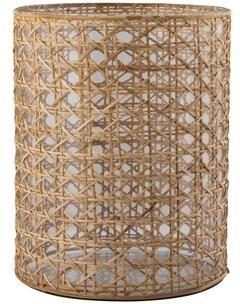
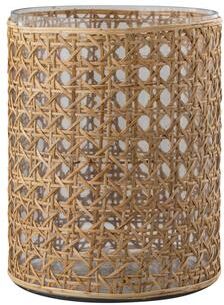
Elk Studio Elk Home Alys Natural Natural Materials 11 Inch Wide VaseThe Alys Large Vase features a wide cylinder of glass wrapped with rattan in a traditional webbed cane pattern. This vase has coastal appeal, and works in a variety of casual settings.150,00 $*Shipping: 0,00 $Secure redirect to the provider

-
What is the difference between raw materials, operating materials, and auxiliary materials?
Raw materials are the basic materials used in the production of goods, such as wood, metal, or oil. Operating materials are the materials used in the day-to-day operations of a business, such as office supplies, cleaning supplies, or packaging materials. Auxiliary materials are materials that support the production process but are not directly used in the final product, such as lubricants, solvents, or maintenance supplies. Each type of material plays a different role in the production and operation of a business. **
-
What is the difference between building materials, operating materials, and supplementary materials?
Building materials are used in the construction of a structure, such as wood, concrete, steel, and bricks. Operating materials are items used to maintain and operate a building, like cleaning supplies, light bulbs, and HVAC filters. Supplementary materials are additional items that may not be essential for the structure but can enhance its functionality or aesthetics, such as decorative finishes, landscaping materials, or furniture. **
-
Can someone explain the terms reserve materials, building materials, and operating materials?
Reserve materials are items kept in stock for future use, typically for emergencies or unexpected situations. Building materials are used in the construction or renovation of structures, such as wood, concrete, and steel. Operating materials are supplies necessary for the day-to-day functioning of a business or organization, like office supplies, cleaning products, and maintenance tools. Each term refers to specific types of materials needed for different purposes within a given context. **
-
What is the difference between building materials, operating materials, and auxiliary materials?
Building materials are used in the construction of a structure, such as bricks, concrete, and steel. Operating materials are items used in the day-to-day operations of a building, like cleaning supplies, office supplies, and maintenance tools. Auxiliary materials are additional items that support the functioning of a building, such as lighting fixtures, plumbing fixtures, and HVAC systems. Each type of material serves a specific purpose in the construction and maintenance of a building. **
What is the difference between raw materials, auxiliary materials, operating materials, and goods?
Raw materials are the basic materials used in the production of goods, such as wood for furniture or steel for cars. Auxiliary materials are used to support the production process but do not become part of the final product, like lubricants or cleaning agents. Operating materials are items necessary for the day-to-day functioning of a business, such as office supplies or maintenance tools. Goods are the final products that are produced and sold to customers, such as furniture or cars. **
Is there a difference between materials and raw materials?
Yes, there is a difference between materials and raw materials. Raw materials are the basic materials that are used to make a product, such as wood, metal, or cotton. Materials, on the other hand, are the finished products that are used to create something else, such as plastic, glass, or fabric. In other words, raw materials are the starting point in the production process, while materials are the end result that can be used in various applications. **
Top-Angebote
Products related to Materials:
-
Uplift Essentials Mental Health & Psychology Motivational Sign Inspirational Modern Decor For Counseling & Classroom Corners Mental Health & Psychology Motivational Sign Inspirational Modern Decor For Counseling & Classroom Corners"Synchronize your sanctuary with the highdefinition, highvibration energy of our Psychology Motivational Decoration. Featuring a sophisticated ""mindfulminimalist"" silhouette, this professional plaque is designed to bring a ""calmluxe"" energy to your..."59,97 $*Shipping: 0,00 $Secure redirect to the provider
-
Uplifted Finds Mental Health Awareness Acrylic Sign Psychology Motivational Decor For Counseling, Classroom & Office Mental Health Awareness Acrylic Sign Psychology Motivational Decor For Counseling, Classroom & Office"Foster a culture of resilience and wellness with our Mental Health Gift. This premium psychology motivational decoration is the ultimate designer solution for creating a ""MindfulSanctuary"" or ""PositiveFocus"" atmosphere in any home. Featuring a..."71,97 $*Shipping: 0,00 $Secure redirect to the provider
-
What materials are needed for occupational therapy training?
Occupational therapy training requires a variety of materials to help individuals develop the skills needed for daily living and work. Some essential materials include therapeutic tools such as therapy balls, resistance bands, and sensory equipment. Additionally, training may involve adaptive equipment like wheelchairs, splints, and assistive devices to support individuals with physical limitations. Other materials needed for occupational therapy training may include cognitive and sensory stimulation tools, such as puzzles, games, and sensory bins, to help individuals improve their cognitive and sensory processing abilities. **
-
What are raw materials, auxiliary materials, or operating materials?
Raw materials are the basic materials used in the production of goods. They are typically natural resources such as wood, metal, or agricultural products. Auxiliary materials are used to support the production process, such as lubricants, cleaning agents, or packaging materials. Operating materials are the supplies and tools used in the day-to-day operations of a business, such as office supplies, maintenance tools, or safety equipment. These materials are essential for the production and operation of goods and services. **
-
What is the difference between raw materials, operating materials, and auxiliary materials?
Raw materials are the basic materials used in the production of goods, such as wood, metal, or oil. Operating materials are the materials used in the day-to-day operations of a business, such as office supplies, cleaning supplies, or packaging materials. Auxiliary materials are materials that support the production process but are not directly used in the final product, such as lubricants, solvents, or maintenance supplies. Each type of material plays a different role in the production and operation of a business. **
-
What is the difference between building materials, operating materials, and supplementary materials?
Building materials are used in the construction of a structure, such as wood, concrete, steel, and bricks. Operating materials are items used to maintain and operate a building, like cleaning supplies, light bulbs, and HVAC filters. Supplementary materials are additional items that may not be essential for the structure but can enhance its functionality or aesthetics, such as decorative finishes, landscaping materials, or furniture. **
Similar search terms for Materials
-
Elk Studio Elk Home Bonita Natural Natural Materials 12 Inch Wide VaseThe Bonita Vase has a low, wide rounded body made of glass which is wrapped loosely with a jute rope in a knotted, open weave pattern. The mouth of the vase features a twisted hute rope handle for easy transport.98,00 $*Shipping: 0,00 $Secure redirect to the provider
-
Elk Studio Elk Home Alys Natural Natural Materials 11 Inch Wide VaseThe Alys Large Vase features a wide cylinder of glass wrapped with rattan in a traditional webbed cane pattern. This vase has coastal appeal, and works in a variety of casual settings.150,00 $*Shipping: 0,00 $Secure redirect to the provider
-
Elk Studio Elk Home Alys Natural Natural Materials 9 Inch Wide VaseThe Alys Medium Vase features a wide cylinder of glass wrapped with rattan in a traditional webbed cane pattern. This vase has coastal appeal, and works in a variety of casual settings.98,00 $*Shipping: 0,00 $Secure redirect to the provider
-
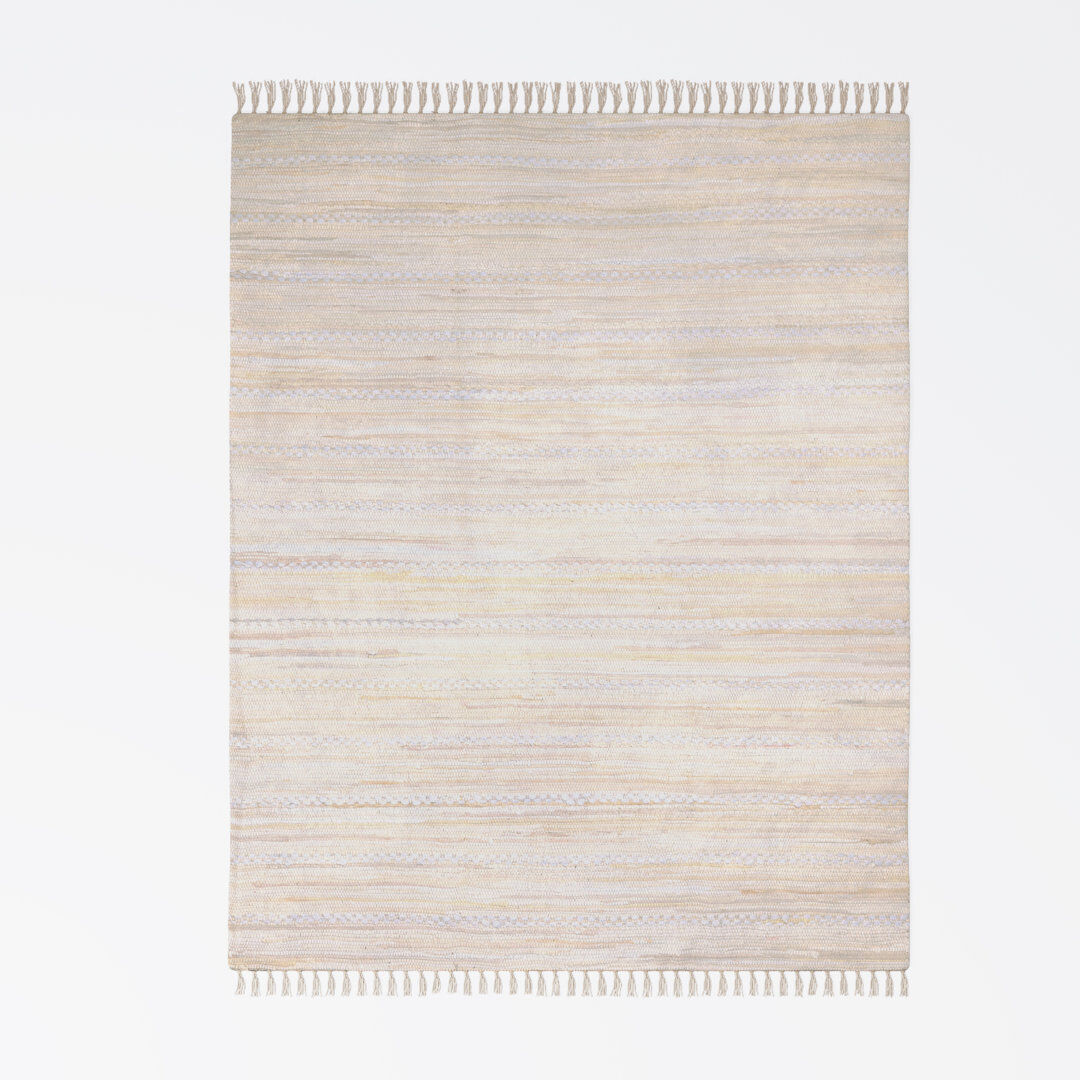
17 Stories Chindi Renova, recycled materials Rug Cream Rectangular 230 x 160cmThe Shady hand-woven chindi rug is a beautiful work of art made by experienced craftsmen. Each rug is unique and captivates with its vibrant colour spectrum and unique, hand -woven pattern. The rug has a robust texture and is suitable for everyday use. It is available in different sizes and can be used in different rooms, from living rooms and bedrooms to corridors and offices. The "Shady" chindi rug has a beautiful colour palette and gives any room a calm and relaxed feel. It fits perfectly with modern furnishing styles, but can also complement rustic or traditional decorations. The rug is easy to clean and can be maintained by simply vacuuming or beating. Experience the beauty and quality of the "Shady" hand-woven chindi rug and give your home a unique touch. 17 Stories Rug Size: Rectangular 230 x 160cm, Colour: Cream105,99 £*Shipping: 0,00 £Secure redirect to the provider
-
Can someone explain the terms reserve materials, building materials, and operating materials?
Reserve materials are items kept in stock for future use, typically for emergencies or unexpected situations. Building materials are used in the construction or renovation of structures, such as wood, concrete, and steel. Operating materials are supplies necessary for the day-to-day functioning of a business or organization, like office supplies, cleaning products, and maintenance tools. Each term refers to specific types of materials needed for different purposes within a given context. **
-
What is the difference between building materials, operating materials, and auxiliary materials?
Building materials are used in the construction of a structure, such as bricks, concrete, and steel. Operating materials are items used in the day-to-day operations of a building, like cleaning supplies, office supplies, and maintenance tools. Auxiliary materials are additional items that support the functioning of a building, such as lighting fixtures, plumbing fixtures, and HVAC systems. Each type of material serves a specific purpose in the construction and maintenance of a building. **
-
What is the difference between raw materials, auxiliary materials, operating materials, and goods?
Raw materials are the basic materials used in the production of goods, such as wood for furniture or steel for cars. Auxiliary materials are used to support the production process but do not become part of the final product, like lubricants or cleaning agents. Operating materials are items necessary for the day-to-day functioning of a business, such as office supplies or maintenance tools. Goods are the final products that are produced and sold to customers, such as furniture or cars. **
-
Is there a difference between materials and raw materials?
Yes, there is a difference between materials and raw materials. Raw materials are the basic materials that are used to make a product, such as wood, metal, or cotton. Materials, on the other hand, are the finished products that are used to create something else, such as plastic, glass, or fabric. In other words, raw materials are the starting point in the production process, while materials are the end result that can be used in various applications. **
* All prices are inclusive of VAT and, if applicable, plus shipping costs. The offer information is based on the details provided by the respective shop and is updated through automated processes. Real-time updates do not occur, so deviations can occur in individual cases. ** Note: Parts of this content were created by AI.